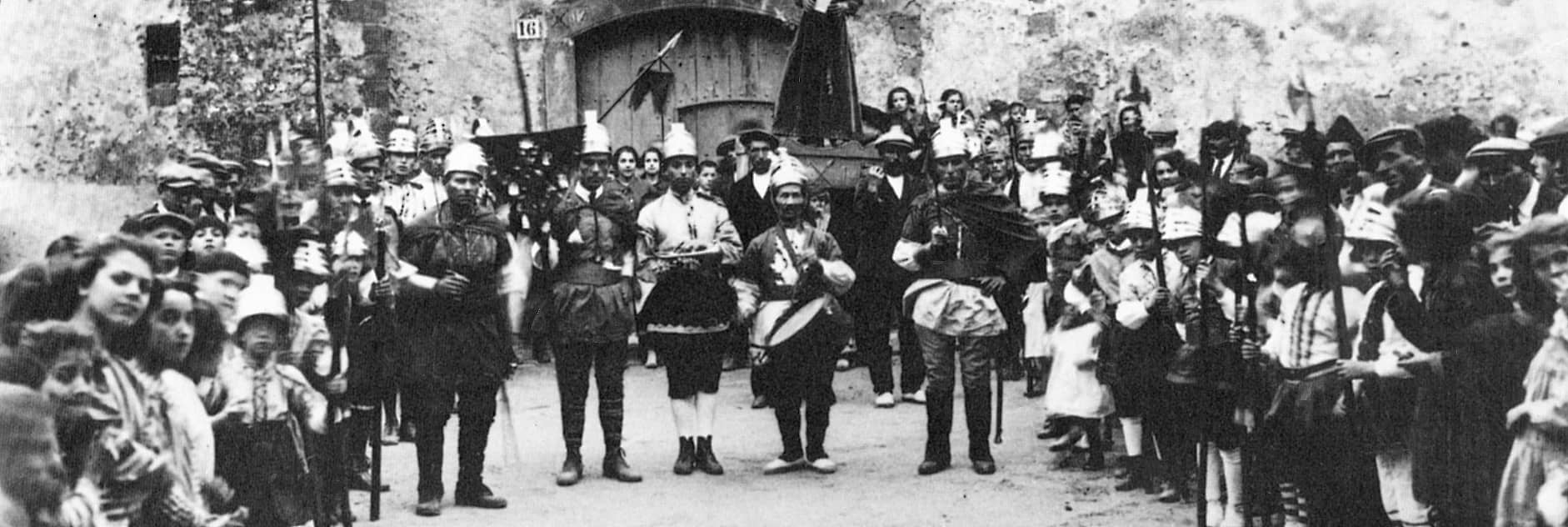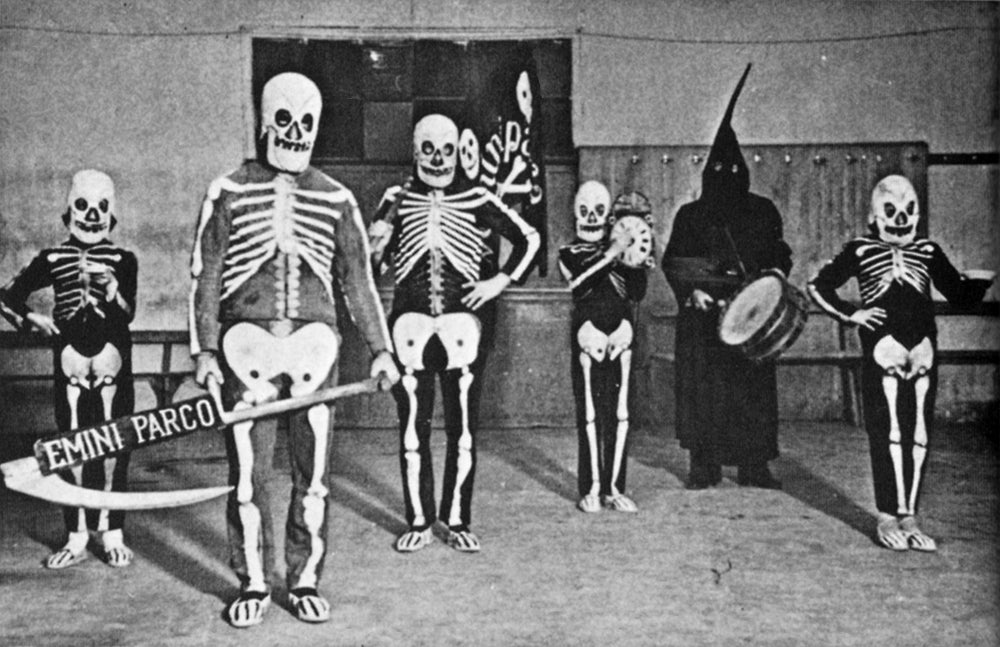
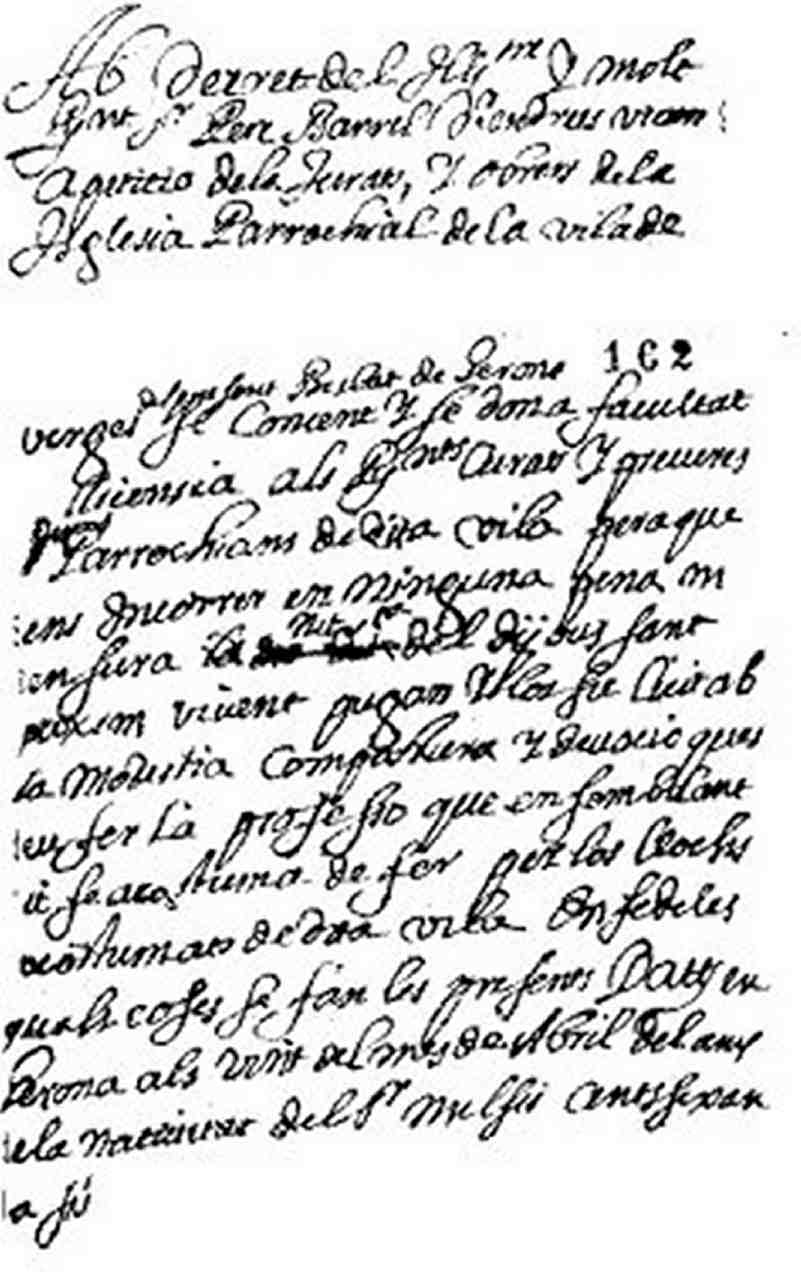
The earliest written references to the Processó de Verges are two 17th-century ecclesiastical documents from the Diocesan Archive of Girona. One of them, dated April 20th, 1666, already describes it as a custom:
"By decree of the illustrious and most reverend Lord Pere Barril, Doctor of Law and Vicar General, at the request of the jurats and stewards of the parish church of the town of Verges, of the present diocese of Girona, permission and license is granted to the reverend priests and other parishioners of said town so that, without incurring any penalty or censure, on the night of the upcoming Holy Thursday, they may — and it shall be lawful for them — with the modesty, composure, and devotion required, carry out the procession that is customary on such a night through the usual places in said town. In witness whereof, these presents are issued. Given in Girona on the twentieth day of the month of April in the year of the Lord one thousand six hundred and sixty-six."
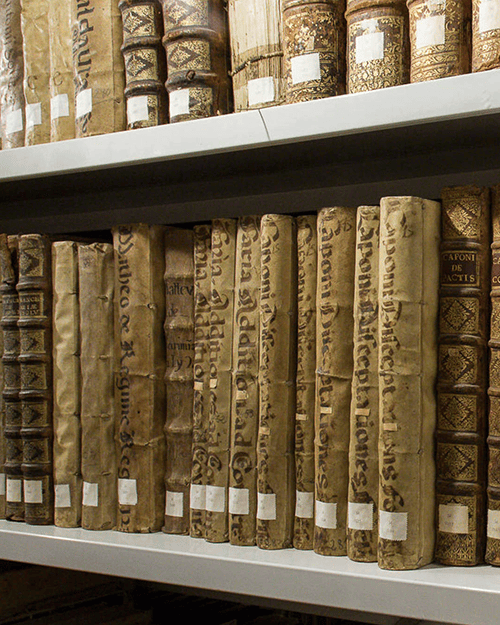
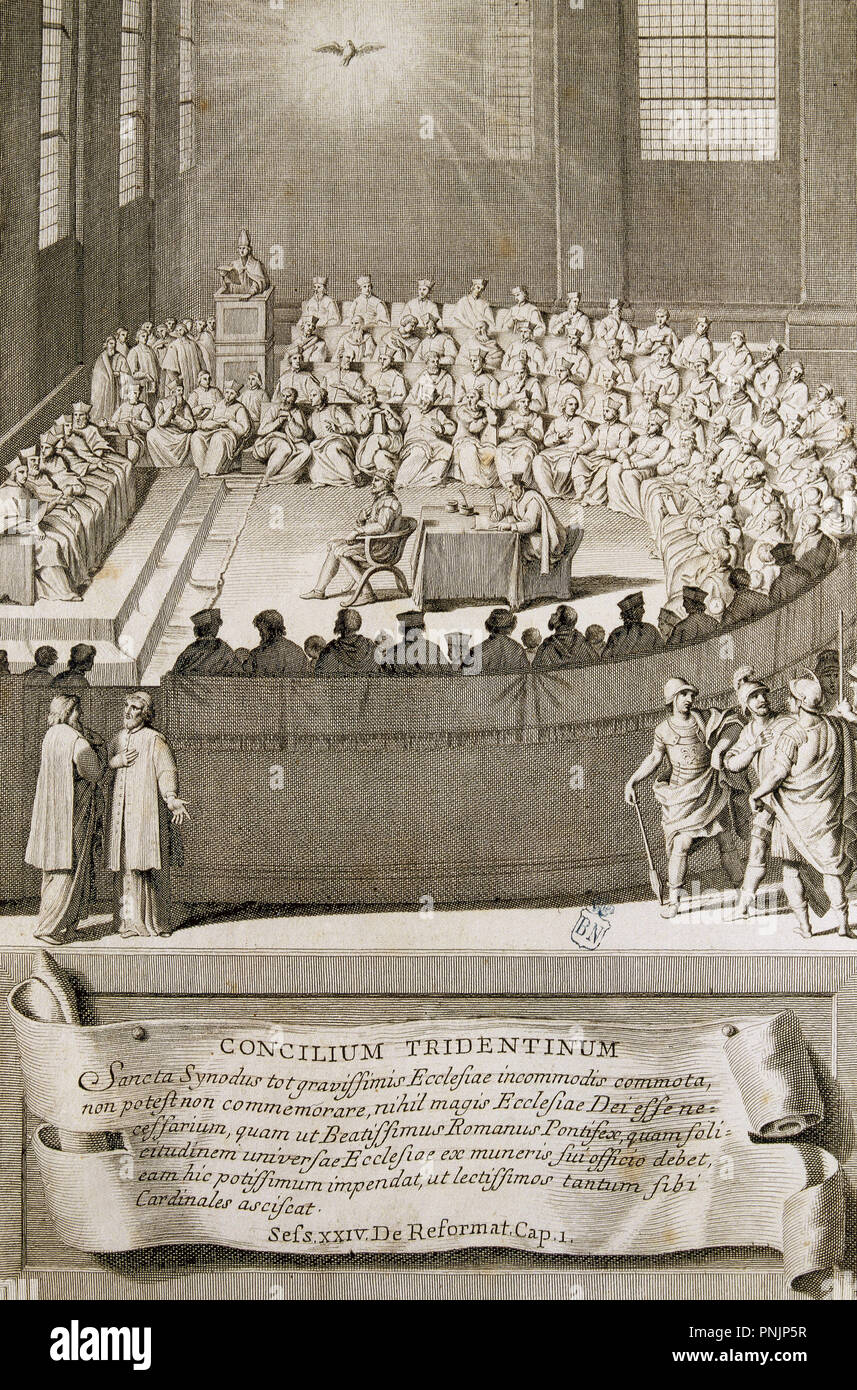
Regulation of the Theatrical Mysteries
This document, like many others, authorized the medieval theatrical mysteries that had previously been freely performed in the villages of the Diocese of Girona. From that point on, however, they had to comply with the controls established by the Council of Trent in order to receive the required official approval.
Fra Antoni de Sant Jeroni publishes The Great Tragedy of the Passion and Death of Our Lord Jesus Christ
A text that brings together a large part of the medieval Passion plays and receives the necessary Nihil Obstatto ensure the orthodoxy of the acts that would use it — which, in a short time, included most of them, including the Procession of Verges.
These texts, expanded and modified repeatedly, were commonly used in most Catalan Passion plays until the mid-20th century, when they were altered—or even replaced—due to aesthetic changes or simply to carry out a necessary linguistic update. In Verges, this update was conceived and carried out after the 1936–39 war by siblings Carles and Maria Perpinyà, focusing respectively on staging and text. After Maria Perpinyà’s intervention, we can no longer speak of La Gran Tragèdia by Fra Antoni, but rather of La Processó de Verges. While some scenic and textual adjustments have been made in recent decades, they have served only to complete and update the Perpinyà reform.

Tradition is ever-changing because it is alive and adapts to its time. When a major structural change occurs, it is often accompanied by changes in organization as well.
Thus, thejuratsandobrers(sworn officials and church wardens) who, according to the aforementioned document, were responsible for the Processó de Verges, were replaced in 1669 by thepabordesof theConfraria de la Sacratíssima Sanch de Nostre Senyor Jesuchrist(Confraternity of the Most Holy Blood of Our Lord Jesus Christ). In more recent times, in 1954, the confraternity was replaced by thePatronat de la Processó del Dijous Sant(Board of the Holy Thursday Procession), which organized the procession until 1996, when democratic changes led to the creation of the current association, “La Processó de Verges.”